
Arvada Tree Service LLC | Tree Removal & Tree Trimming Services in Arvada, CO
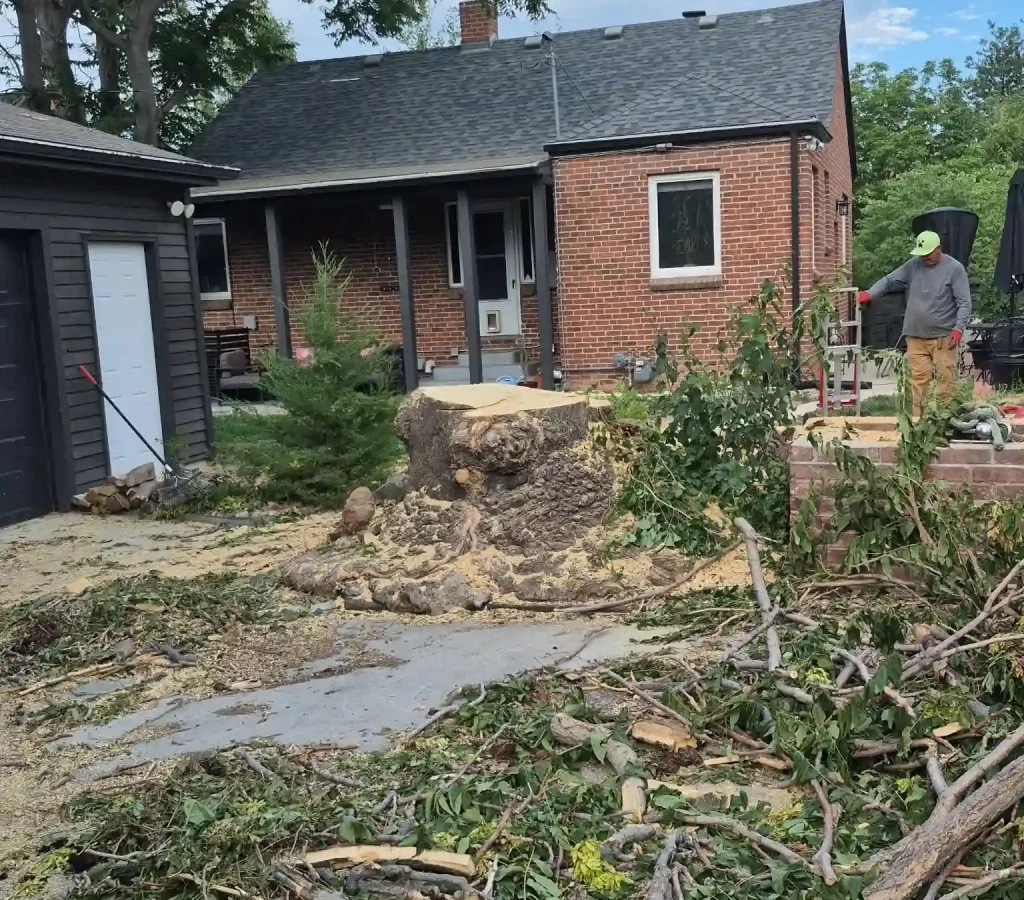
Reliable Tree Care In Arvada
Arvada Tree Service LLC provides professional tree services for homeowners and businesses throughout Arvada, CO. The Arvada Tree Service team is licensed and insured and specializes in tree removal, tree trimming, tree pruning, stump grinding, tree inspections, and 24/7 emergency tree service. Arvada Tree Service focuses on safe workmanship, honest communication, and dependable service, treating every property with care from start to finish. Whether you need routine tree maintenance or emergency tree removal, we’re here to help. Contact us today for a free, no-obligation estimate.


Professional Tree Services in Arvada, CO
Professional Team
The Arvada Tree Service team is fully licensed and insured, delivering safe, reliable tree services with expert care on every project.
Customer Support
We’re committed to excellent customer service, providing clear communication, timely updates, and support from start to finish.
Honest Pricing
Arvada Tree Service offers competitive pricing, honest recommendations, and dependable tree services without compromising on quality.
Licensed & Insured
Our licensed & insured team follows industry safety standards, giving you peace of mind on every tree service project.
Tree Services We Offer In Arvada!
Tree Removal
Tree Pruning
Stump Grinding
Tree Inspection
What to Ask Before Hiring a Tree Service in Arvada
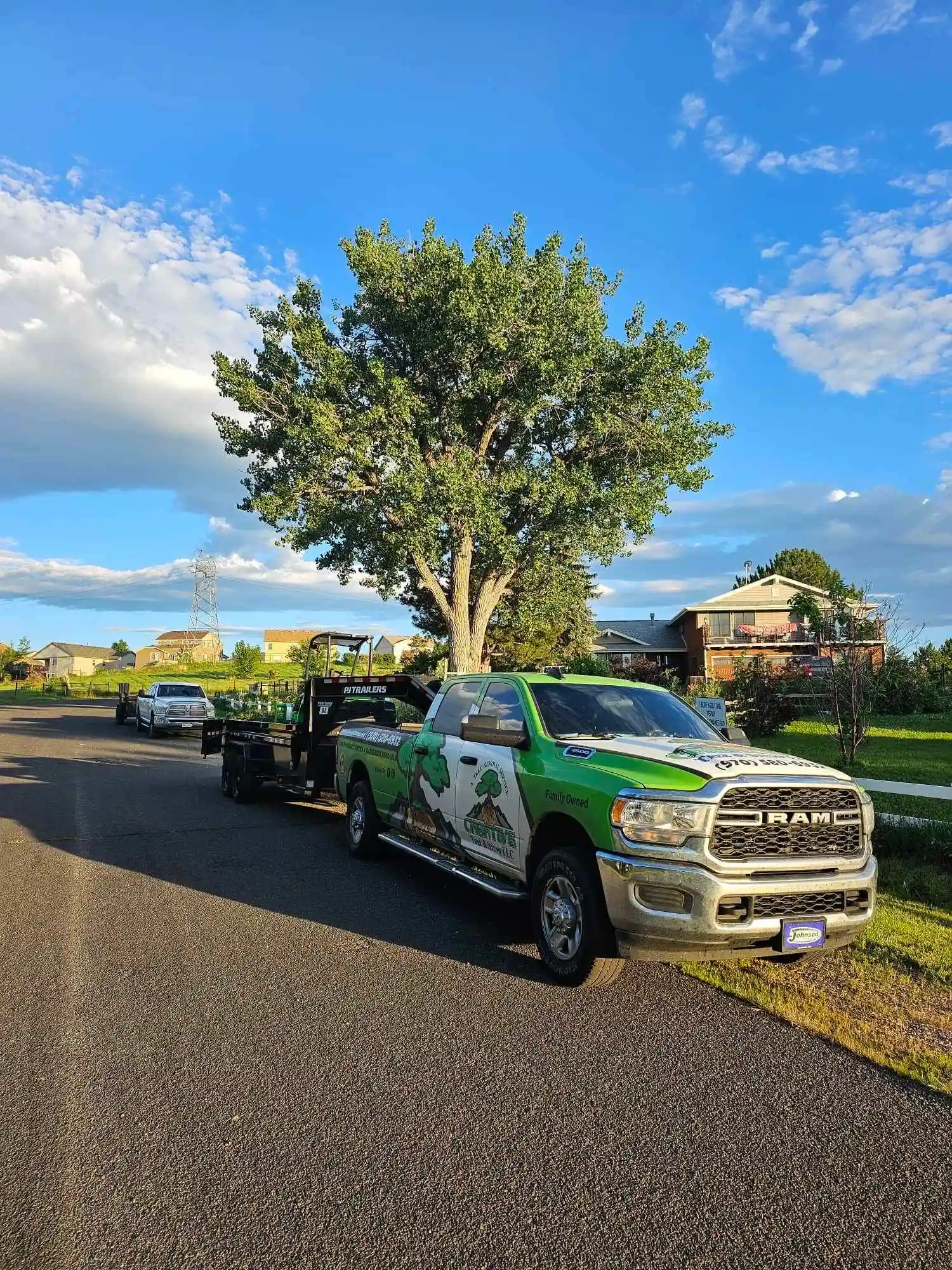
Hiring the right tree service can protect your property, save you money, and prevent unnecessary risks. Before choosing a contractor, ask if the company is licensed and insured, provides written estimates, has experience with the type of work you need, and follows proper safety practices. It’s also worth asking whether cleanup is included, if permits will be handled when required, and whether emergency services are available. A reputable tree service should answer these questions clearly, explain your options without pressure, and provide transparent pricing before any work begins.
How Our Process Works?
Request a Free Estimate
Call us or fill out our online form to tell us about your tree service needs. We'll discuss your project and schedule a convenient visit.
On Site Evaluation
We inspect the tree, assess the surrounding area, and recommend the safest and most effective solution for your property.
Professional Tree Service
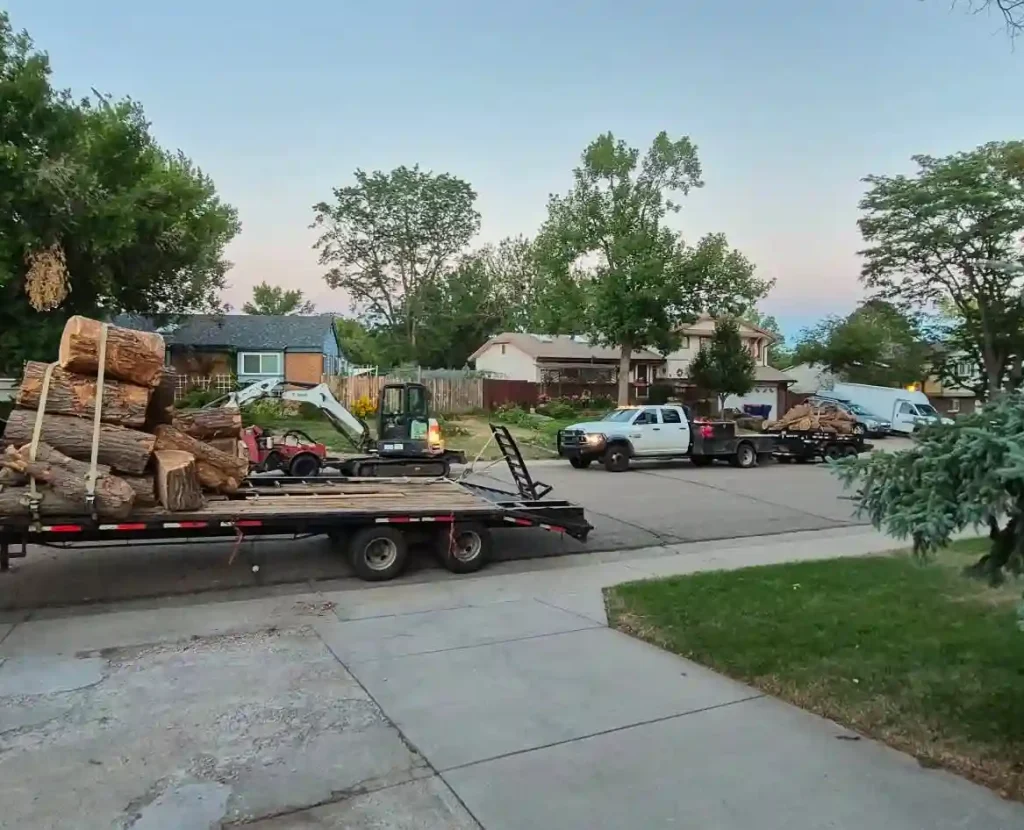
Our crew completes the work using professional equipment and proven safety practices, whether you need removal, trimming, pruning, or stump grinding.
Cleanup
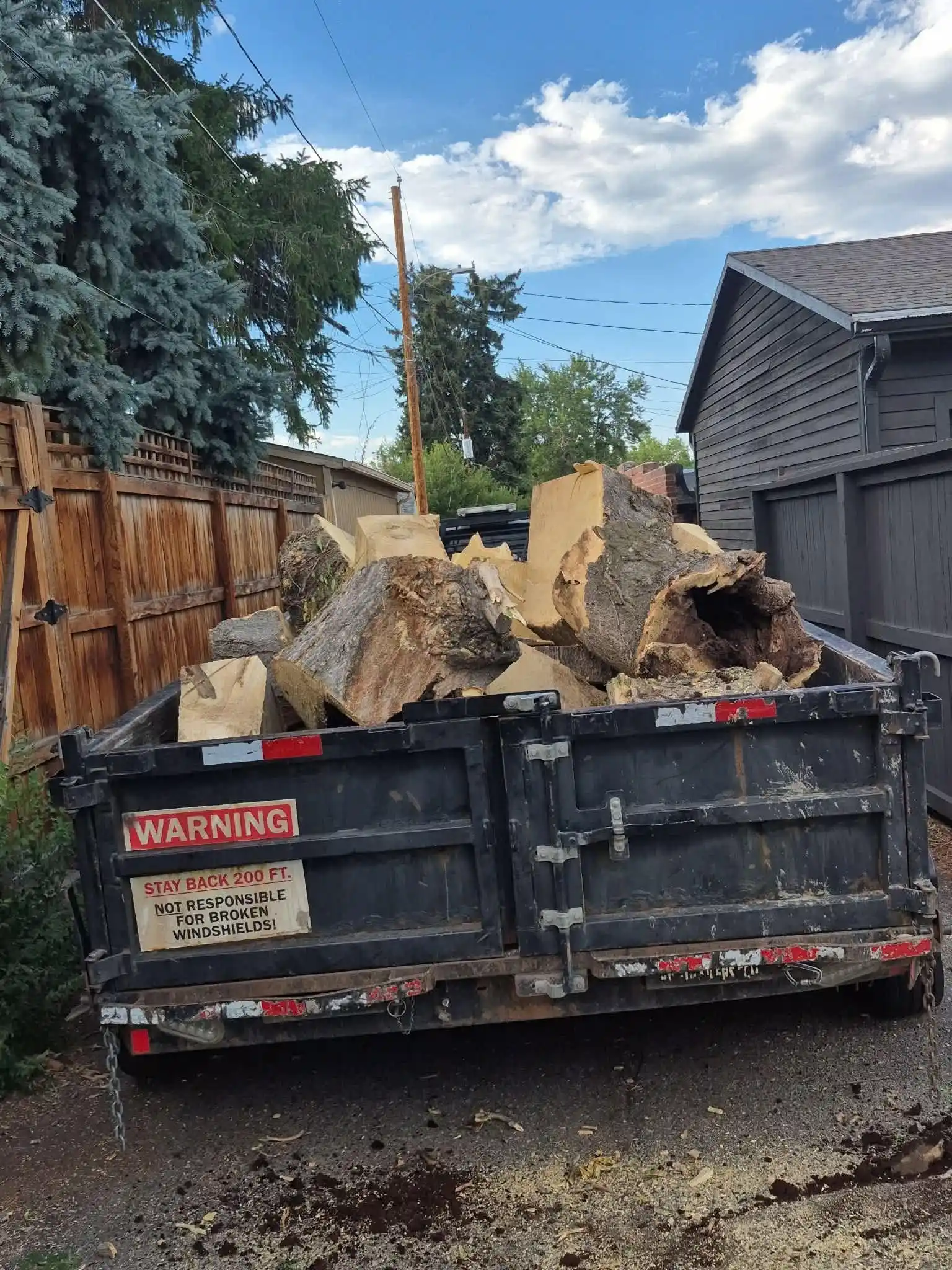
After the work is finished, we remove branches, logs, and debris, leaving your property clean, safe, and ready to use.
What Affects the Cost of Tree Service? in Arvada, CO?
The cost of tree services in Arvada, CO typically ranges from $150 to $5,000+, depending on the type of service and the scope of work. Pricing is influenced by the size and condition of the tree, the number of trees, the service required, and how easily our crew can access the work area. Large trees, emergency situations, or trees located near homes, power lines, or other structures may require additional equipment and safety measures. Whether you need tree removal, tree trimming, tree pruning, stump grinding, tree inspections, or emergency tree service, we provide free, no obligation estimates with transparent pricing, so you’ll know exactly what to expect before any work begins.
Get Your Free Tree Service Estimate Today
Need professional tree care in Arvada, CO? Whether you need tree removal, tree trimming, tree pruning, stump grinding, tree inspections, or 24/7 emergency tree service, Arvada Tree Service LLC is ready to help. Call today for your free, no obligation estimate.
Common Questions from Arvada Homeowners
What tree services do you offer in Arvada, CO?
We provide complete tree care services, including tree removal, tree trimming, tree pruning, stump grinding, tree inspections, and 24/7 emergency tree service for residential and commercial properties throughout Arvada, CO.
Do you offer 24/7 emergency tree service?
Yes. The Arvada Tree Service crew is available 24 hours a day, 7 days a week for fallen trees, storm damage, hazardous limbs, and other emergency tree situations.
Are you licensed and insured?
Yes. Arvada Tree Service LLC is fully licensed and insured, and we follow industry safety standards on every tree service project.
Do you provide free estimates?
Yes. We offer free, no obligation estimates for all tree services. We’ll assess your trees, explain your options, and provide upfront pricing before any work begins.
